
Best Phones for Dance Music Fans: Loud Speakers, Battery Life, and Offline Podcast Listening
Find the best phone for dance podcasts, club mixes, and offline listening with loud speakers, long battery life, and ample storage.
Best Phones for Dance Music Fans: Loud Speakers, Battery Life, and Offline Podcast Listening
If you spend your day cycling through dance podcasts, club mixes, and electronic sets, the wrong phone can ruin the experience fast. Quiet speakers make drop-heavy tracks feel flat, weak batteries die halfway through a commute, and tiny storage fills up after a few offline downloads. This guide is built for buyers who want a phone that can handle high-energy audio playback without becoming a battery drain. It focuses on the features that matter most for mobile listening: phone speakers, battery life, offline playback, Bluetooth audio, audio quality, and storage capacity.
We also look at the real-world tradeoffs that matter when your phone is doing more than streaming music. The best picks for this use case often overlap with phones that are strong for long-session audio use, streaming on the go, and even offline learning and listening. But dance-music fans have a more specific requirement: you need volume, clarity, endurance, and enough local storage to keep your favorite sets ready when signal quality disappears on the train, in the gym, or at a packed festival.
To help you buy with confidence, this guide compares the features that actually affect listening quality and battery drain, explains how to optimize your setup, and highlights practical buying priorities. If you want deal timing as well, our roundup on deal alerts worth turning on this week and our guide to AI deal trackers and price tools can help you save without guessing.
What dance-music fans should prioritize in a phone
1) Loud, balanced stereo speakers
For dance podcasts and club mixes, loudness alone is not enough. You want speakers that stay clean at high volume, preserve kick drums and hi-hats, and don’t distort badly when bass lines build. Phones with true stereo speakers usually deliver a wider soundstage, which helps live sets feel less boxed in when you’re listening without headphones. If the phone gets harsh at 80% volume, it will probably sound worse during long sessions because electronic music exposes compression and distortion quickly.
2) Strong battery life under audio playback
Music playback is less demanding than gaming or video recording, but it still adds up, especially if you are streaming over cellular, using Bluetooth, or keeping the screen on for browsing tracklists. A phone with a large battery is only part of the story; efficient chipsets and good standby performance matter too. The best phones for this use case can comfortably get through a workday of streaming, then continue playing offline sets at night without forcing a top-up. If you care about battery longevity over time, our guide to budget-smart buying choices is a good example of how to compare needs, not just specs.
3) Enough storage for offline playback
Offline playback is essential for dance fans who download podcasts, long DJ mixes, and curated playlists before a flight or commute. A few high-bitrate mixes can eat storage faster than casual listeners expect, especially if you also keep photos, social apps, and downloaded video content on the phone. For most buyers, 256GB is the sweet spot if you use offline audio heavily; 128GB can work, but it becomes tight once you factor in system files, app caches, and media downloads. If you tend to archive sets for months, 512GB is the stress-free choice.
4) Bluetooth audio that stays stable and clean
Bluetooth quality depends on more than the earbuds. Codec support, connection stability, and radio performance all affect the final experience. You do not need to obsess over every codec acronym, but you should prefer phones known for consistent Bluetooth performance and low dropouts. If you use modern earbuds or headphones, reliable Bluetooth is often more important than tiny differences in wired-audio specs. For shoppers who want to understand how accessory bundles affect value, our article on bundling electronics with accessories is surprisingly useful.
Fast comparison: best phone traits for dance podcast listening
| Buyer need | What matters most | Recommended spec range | Why it matters for dance music |
|---|---|---|---|
| Loud speaker listening | Stereo speakers, high max volume, low distortion | Dual front/edge speakers preferred | Kicks, drops, and synth layers stay punchy at higher volume |
| All-day playback | Battery capacity + power efficiency | 5,000 mAh or better | Streaming and Bluetooth use can drain smaller batteries quickly |
| Offline downloads | Internal storage | 256GB ideal, 128GB minimum | Long mixes and podcasts add up fast over time |
| Bluetooth listening | Stable wireless connection | Modern Bluetooth support with strong antenna design | Prevents dropouts during commuting and workouts |
| Media-heavy daily use | Thermals and standby efficiency | Efficient chipset, good power management | Keeps the phone from wasting battery while audio plays in the background |
Best phone categories for dance-music fans
Flagship phones: best all-around audio experience
Flagships are usually the safest bet if you want the most complete listening package. They tend to have better speaker tuning, stronger amplification, more polished Bluetooth behavior, and higher-capacity batteries than smaller midrange phones. They also usually have larger storage options, which matters if your offline library is full of long-form sets and you hate deleting content just to make room. If you care about premium value, it can help to compare against accessory and audio-focused deals like our breakdown of Sony WH-1000XM5 value so you can decide whether to invest in the phone, the headphones, or both.
Large-battery midrange phones: the practical sleeper picks
Midrange phones often deliver the best battery-per-dollar ratio, and that matters more than people think for music-first buyers. A phone with a competent stereo speaker setup, 5,000 mAh battery, and 256GB storage can be a smarter choice than a thinner premium model if your main use is playback. The tradeoff is usually less refined speaker tuning and slightly weaker Bluetooth consistency, but many buyers will not notice unless they are switching back and forth with a flagship. In the same way that smart shoppers check sleep needs before buying a mattress, music buyers should match the phone to the actual use case instead of chasing spec-sheet prestige.
Older flagships and refurbished phones: often the best value
If you mainly want excellent speakers and dependable audio without paying launch-day pricing, an older flagship can be the smartest purchase. Last year’s premium model often beats a current midrange phone in speaker clarity, vibration response, storage options, and Bluetooth quality. This is especially compelling for dance-music fans because the audio experience is immediately noticeable, while the latest camera upgrades may not matter at all. For resale-minded shoppers, our article on used-phone market dynamics shows how feature improvements can shift value over time.
How to judge phone speakers for electronic music
What to listen for during a test
When testing a phone in-store or at home, play a dense electronic track with layered percussion, a sub-heavy drop, and a vocal sample. Listen for whether the vocal gets buried, whether the bass turns muddy, and whether the treble gets sharp or tinny at higher volume. A good phone speaker will sound energetic without turning cymbals into white noise. If possible, compare the same track on two phones at the same volume setting because perceived loudness can be misleading.
Why stereo separation matters
Stereo speakers do more than make movies sound wider. For music, they help kick drums, synths, and effects feel more spacious and less compressed into the center of the device. That is especially noticeable with live recordings of club sets, where crowd noise, DJ cues, and transitions create a layered soundstage. Phones with poor stereo balance often make these sets feel flat, which is a bigger problem for dance music than for casual talk podcasts.
How volume and distortion interact
Many buyers judge speaker quality by maximum volume alone, but that is only half the story. Some phones get loud yet lose clarity as soon as the volume climbs, which is frustrating when you are trying to hear a mix outdoors or in a noisy train car. Better-tuned speakers preserve enough separation to keep the rhythm intact. Think of it like choosing a sound system for a party: you do not just want loud; you want loud and controlled. For broader content strategy around repeated listening experiences, our guide to hook loops and retention has an unexpectedly similar principle.
Battery life: the hidden cost of streaming club music
Streaming vs offline playback
Streaming uses more power than offline playback because the phone has to keep the radio active and manage a constant data connection. If you listen to dance podcasts on mobile data all day, the battery hit can be meaningful, especially in areas with weaker signal. Offline playback is the better choice for predictable endurance because it minimizes radio use and lets the phone focus on audio decoding. That is why serious listeners should download sets in advance, not just rely on streaming at the last minute.
Bluetooth and battery drain
Bluetooth headphones are convenient, but they add another layer of power use. The phone must maintain a wireless link while decoding audio in the background, and some accessory combinations are more efficient than others. In practice, that means a phone with a strong battery and efficient wireless stack will age much better in daily use. If you are comparing phones for media consumption and not just for specs, the value question matters a lot, similar to how buyers evaluate headsets for long sessions.
Charging speed and battery strategy
Fast charging is helpful, but it should not be a crutch for poor battery life. For frequent listeners, the best strategy is a phone that can survive a long day, then refill quickly while you shower, commute, or get ready for a night out. A bigger battery paired with decent charging speed is more practical than ultra-fast charging on a small battery. If you listen to music for several hours a day, battery endurance should be treated as a core audio feature, not just a convenience spec.
Storage capacity and offline library planning
How much storage do dance fans really need?
For casual listeners, 128GB may be enough. For dance-music fans who regularly download multiple podcast episodes, DJ sets, saved playlists, and offline mixes, 128GB can become cramped quickly. The operating system, photos, app data, downloaded maps, and cached media all compete for space. That is why 256GB is the practical minimum recommendation for serious offline users, and 512GB is worth it if you keep a long archive of sets.
Why file management matters
Many buyers underestimate how quickly long audio files accumulate. A single two-hour set can be modest in size, but if you collect several every week, you can chew through storage quietly over a few months. The trick is to treat offline audio like a managed library: download ahead of time, remove episodes after listening, and keep a rolling shortlist of favorites. This approach also makes battery life more predictable because you are less likely to be scrambling for signal and streaming over weak mobile data.
Cloud convenience vs local reliability
Cloud music streaming is great when signal is strong, but it is not a substitute for local storage if you travel often. Offline files are simpler, faster to open, and less vulnerable to dead zones or spotty reception. For buyers who rely on their phone as a daily media hub, storage is not just a comfort feature; it is part of the reliability stack. The same logic appears in our guide to storage hotspots, where knowing what fills up first prevents downstream problems.
Bluetooth audio, earbuds, and speaker setup tips
Use the right earbud profile for your listening style
If you use earbuds or headphones for most listening, prioritize phones that maintain a stable Bluetooth connection and support modern wireless audio behavior. The best phone for dance music is not always the one with the most dramatic codec marketing; it is the one that simply works every time you press play. Good Bluetooth implementation reduces dropouts, avoids annoying latency issues with videos, and keeps battery use reasonable across long sessions. That matters if you listen to podcasts while commuting and switch to club sets at the gym.
Adjust EQ carefully
Heavy bass boosting can make electronic music feel bigger, but it can also swamp vocals and reduce clarity on smaller speakers. A mild V-shaped EQ often works better for dance podcasts because it preserves punch without smearing the mids. If you are listening on the phone speaker itself, resist the urge to overboost bass, since tiny drivers cannot reproduce deep sub-bass convincingly. The best setup is usually a modest EQ tweak rather than an extreme one.
Keep accessories in the buying equation
Some phones sound great only when paired with the right accessories, so budget for earbuds, a protective case, and possibly a power bank if you travel a lot. That is the same logic behind accessory bundling: the base product and the add-ons should be considered together. In a real shopping decision, a slightly cheaper phone plus a better pair of earbuds may beat a pricier phone with mediocre accessories. This is especially true for buyers who listen outside the home more than they listen at a desk.
Best buying scenarios: which type of shopper should choose what?
If you listen mostly on speaker
Choose a flagship or upper-midrange phone with clearly tuned stereo speakers and a large battery. Speaker quality matters more than raw benchmark performance in this case, and you will notice better tuning immediately. Storage should still be at least 256GB if you download podcasts and mixes regularly. This is the most straightforward purchase path for people who want a phone that can double as a portable mini sound system.
If you listen mostly with Bluetooth earbuds
Prioritize battery endurance, Bluetooth stability, and storage. Speaker quality still matters because you will use it for previews, alarms, and quick listening, but it becomes secondary to wireless reliability and battery efficiency. Midrange phones with strong batteries can be a better value than premium models here, especially if you are not chasing the absolute best speaker hardware. For cost-conscious shoppers, deal timing can matter a lot, so keep an eye on daily tech deals and broader promotions.
If you travel or commute constantly
Battery life and offline storage should be your top priorities. A big battery prevents anxiety during long travel days, while 256GB or higher ensures you are not constantly managing downloads. Bluetooth stability matters too, because travel environments are noisy and interruptions are annoying. A strong all-around phone in this category often provides a better experience than a more premium model with weaker endurance.
Pro Tip: For dance-music fans, the best phone is usually the one that balances loud stereo speakers, a 5,000 mAh battery, and 256GB storage. That combination covers the real-world pain points: listening in noisy places, downloading long mixes, and avoiding constant charging.
How to set up your phone for better music playback
Step 1: Download offline content strategically
Start by downloading the podcasts, mixes, and playlists you know you will actually play this week. Avoid hoarding everything forever, because bloated storage makes it harder to keep your library organized. Use playlists for different situations, such as commute, gym, and late-night listening, so your offline library stays useful. If you need a structure for media organization, our guide on building a digital toolkit without clutter translates well to audio libraries.
Step 2: Tune audio settings once, then leave them alone
Pick one EQ profile that works across most of your content and avoid changing it constantly. Over-tweaking settings can make songs sound inconsistent and can make podcasts harder to hear in noisy places. For speaker playback, a neutral or lightly bass-enhanced profile is usually best. For headphones, a slightly broader sound profile can make long sets feel less fatiguing.
Step 3: Save battery by managing background behavior
Turn off unnecessary background sync for apps that do not need to run constantly. Lower screen brightness during listening sessions, since the display often drains more power than the audio itself. When you are downloading content, do it on Wi-Fi and preferably while charging. That simple routine makes a measurable difference over time.
FAQ: Best Phones for Dance Music Fans
Do I really need 256GB for dance podcasts and club mixes?
For light listeners, no. For regular offline users who download long episodes, DJ sets, and playlists, 256GB is the safest sweet spot. It gives you room for media, apps, photos, and system growth without constant cleanup.
Are phone speakers actually good enough for electronic music?
Yes, if you choose carefully. The best phone speakers can sound impressively loud and detailed for casual listening, though they will not replace dedicated speakers or good headphones. Stereo separation and clean mids matter more than extreme bass.
Does Bluetooth hurt sound quality a lot?
Usually not in a way most listeners will notice with everyday earbuds. Connection stability and clean playback matter more than chasing the highest theoretical codec support. A good Bluetooth setup is practical and consistent, which is what most buyers need.
What drains battery fastest when listening to music?
Streaming over cellular, poor signal, high screen brightness, and heavy background app activity are the biggest culprits. Offline playback and Wi-Fi downloads are much more efficient. If you want long battery life, focus on reducing radio use and keeping the screen off when possible.
Should I buy a flagship or a midrange phone for music?
If you care most about speaker quality and overall polish, flagship or older flagship models are usually better. If you care most about battery and value, a strong midrange phone can be the smarter buy. Match the phone to your listening habits, not just the spec sheet.
Final verdict: the best phone for dance music is the one that disappears into the background
Choose for endurance, not just hype
The ideal phone for dance music fans should be loud enough to enjoy a set on the built-in speakers, efficient enough to last a full day, and spacious enough to store a serious offline library. That combination gives you freedom: you can stream in the morning, switch to offline playback in the afternoon, and still have battery left at night. In practice, this means prioritizing audio consistency and battery reliability over flashy features you may never use. If you want better value timing, keep tracking price tools and seasonal promos.
My practical recommendation
If your budget allows, buy the phone with the best stereo speakers you can afford, then make sure it has at least 256GB of storage and a battery large enough to survive your heaviest listening days. If you are choosing between a slightly better camera phone and a better audio-and-battery phone, pick the one that improves your day-to-day listening. That is especially true for fans of dance podcasts and emotionally engaging music content, where the listening experience matters more than benchmark bragging rights. In short: buy for the way you actually listen, not the way the marketing brochure thinks you should.
Related Reading
- How AI Deal Trackers & Price Tools Team Up to Uncover Hidden Discounts on Tested Tech - A smart way to time phone and accessory purchases.
- Are Sony WH-1000XM5 Headphones Worth $248? A Value Shopper's Breakdown - Useful if you want premium headphones for club mixes.
- Gaming Headsets for Work and Play: Best Picks for Calls, Discord, and Long Sessions - Great for buyers comparing comfort and long-session audio gear.
- How to Monitor AI Storage Hotspots in a Logistics Environment - A different angle on storage planning that maps well to offline media management.
- How to Organize a Digital Study Toolkit Without Creating More Clutter - Helpful for keeping a clean offline audio library.
Related Topics
Jordan Mercer
Senior Smartphone Editor
Senior editor and content strategist. Writing about technology, design, and the future of digital media. Follow along for deep dives into the industry's moving parts.
Up Next
More stories handpicked for you

What to Check Before Buying a Phone from a Small Online Gadget Store

Refurbished vs. New Phones: How Repair Support Changes the Value Equation

Best Budget Phones for Audio Apps: What to Buy if You Use Drumming, Beat-Making, or Metronome Tools

Best Accessories to Protect a Phone You Plan to Keep for Years

Should You Buy a Phone With Easy Repairability? A Shopper’s Guide to Durable Models
From Our Network
Trending stories across our publication group

Best Phones for Live Music Fans Who Stream, Record, and Go Out All Night
Phones With the Best Wired Audio for Musicians Who Still Prefer a Headphone Jack

Best Phones for Reading Scripts, Marking Notes, and Reviewing Contracts on the Go

Predicting the Future of MMA: Trends to Watch After Gaethje vs. Pimblett
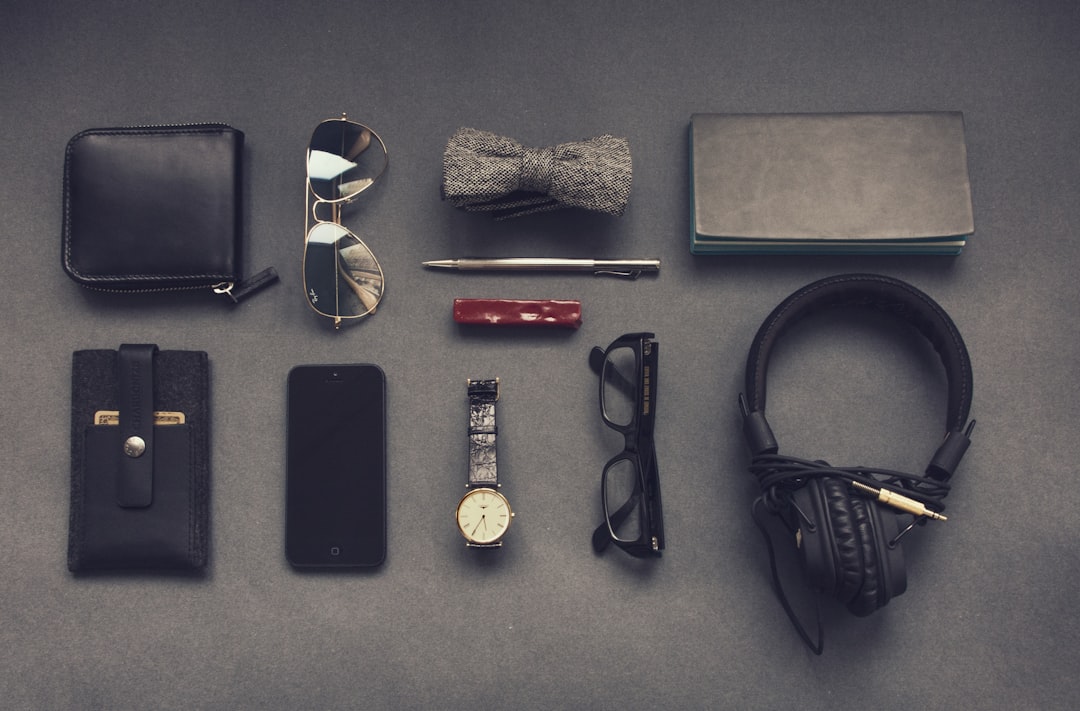
Club-Ready on a Budget: Best Phone Audio Gear for Dance Music Fans and Nightlife Commuters
